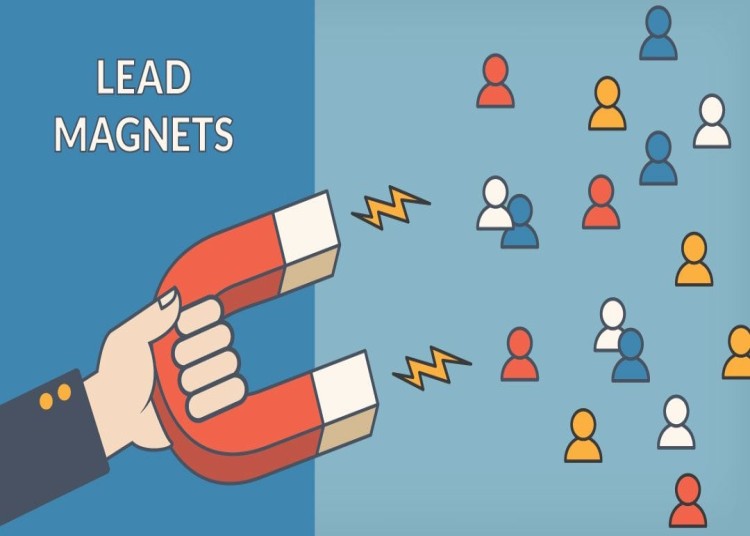
So you have created your lead magnet, maybe a free checklist, a short e-book, or a webinar replay.
Now what?
The next step is to design a lead magnet workflow, a simple but powerful system that collects leads, nurtures them with value, and converts them into customers.
Without a workflow, your lead magnet is like a shop with no cashier. People might visit, but few will take the next step.
Step 1: Connect Your Lead Magnet to an Email Platform
Start by linking your opt-in form to an email marketing tool.
Platforms like Mailchimp, Brevo (formerly Sendinblue), or ConvertKit are popular and beginner-friendly options in Kenya.
Once someone downloads your guide or signs up for your checklist, their name and email should automatically be saved to your mailing list, no manual entry required.
Step 2: Segment Your Subscribers
Not all subscribers are the same.
Segment them based on what they signed up for. For example:
-
People who downloaded a “Website Optimization Checklist” might be interested in design or SEO tips.
-
People who registered for a “Small Business Growth Webinar” might be looking for marketing or digital strategy advice.
Segmentation helps you send relevant, personalized content which boosts open rates and conversions.
Step 3: Set Up an Automated Email Sequence
Once subscribers opt in, you should immediately follow up with a welcome email this builds trust and sets expectations.
Here’s a simple 3-step sequence you can try:
-
Email 1 (Instant): Deliver what you promised e.g., the checklist or e-book. Thank them and introduce your brand briefly.
-
Email 2 (2–3 days later): Share additional value maybe a blog post like “How to Improve Your Website in 5 Easy Steps.”
-
Email 3 (1 week later): Invite them to take the next step such as booking a consultation or checking out your product or service.
Keep the tone conversational, genuine, and helpful.
Step 4: Keep the Conversation Going
Your lead magnet should open the door to an ongoing relationship not a one-time interaction.
Continue sending:
-
Monthly newsletters with insights or industry trends.
-
Customer stories showing real-world success.
-
Exclusive offers to reward subscribers.
The more consistently you show up in their inbox with useful content, the more trust you build.
Step 5: Track, Learn, and Improve
Use analytics to see what’s working.
Check your:
-
Open rates (are your subject lines engaging?)
-
Click-through rates (are people clicking your CTAs?)
-
Unsubscribe rates (are your emails relevant enough?)
Over time, test different email titles, visuals, and send times to improve performance.
Example: A Kenyan Workflow That Works
A Nairobi-based fashion brand wanted to increase sales from its online store. They created a “Free Style Guide for Modern Professionals” as a lead magnet.
Here’s what they did:
-
Visitors downloaded the free guide by entering their email.
-
The first email delivered the PDF instantly.
-
The second email shared fashion tips and featured customer reviews.
-
The third email (a week later) included a 10% discount for first-time buyers.
The result? Within three months, their email list grew by 2,000+ subscribers, and sales increased by 35% from repeat customers.
This approach worked because it didn’t just focus on selling, it focused on building value and trust first.
Partner with Us Today